1.1B
But I Really Want That!
Sometimes What You Want is Not What You Need
We’ve talked now a good bit about resources – those assets you have at your disposal that enable to you get things done, buy things, trade for services or goods, even improve your skills. But just what are those things you want to do, buy, trade for or improve? What exactly do you want to accomplish?
Before we start talking about goals, let’s go over the difference between “wants” and “needs.” It seems like this should be apparent and downright obvious, but sometimes it’s easy to lose sight of the contrast between the two. The “needs” are just what they sound like: the things you need to survive. Enough nutritious food, clothes and shelter to keep you warm, a safe place to stay.
 Wants are the things that would be good to have, that you’d looooove to have, but that you can live without, or work around if necessary. New headphones, an eighth pair of jeans, a snack even though you just had a really great lunch are all non-essential wants. Things that you really really want are still not the same as essential needs, but there may be essential needs included as part of some important ‘want’. If you want to be a physician, an essential need is to know anatomy. If you want to be a surgeon, an essential need is to have steady hands. There’s nothing wrong with the “wants.” We all have things we’d like to have, and as long as the “needs” are being met first and you’ve got the necessary resources, no problem. It’s when your resources won’t stretch to cover both that the hard choices have to be made.
Remember that wants and needs look different for everyone. A single person with a full-time, good paying job, has different needs from a person who is supporting a family, who has different needs from a student living at home.
Most of us have all kinds of goals at any given moment. Goals can be large or small, short-term or long-term. Although many people will share some goals, no two people generally ever have exactly the same set of goals.
 Let’s compare some different kinds of goals. Some goals are tiny, things that you may need or want to do or buy on a daily basis. Some are bigger, like getting an A in a particular class, or finding a part-time job. Some may be more personal, like learning to speak French, and some may be a long way off, like buying a house, publishing a book, starting a business, winning an Academy Award, or even moving to Iceland, but they all have things in common, even as different as they are.
Let’s start by looking at something small. Really small. Itty-bitty small. Tiny. Like, getting through the rest of your homework without falling asleep on top of your books (or computer, as the case may be).
OK, that’s really small. Or maybe not, if you’re REALLY tired and have a mountain of homework, but is it a goal you can apply your resources to, to  actually accomplish? Think about it for a minute – you can’t buy energy (contrary to energy drink marketing!), so cash won’t help, and staying awake is not really a skill you can get better at, but you CAN save some of your daily energy for homework, and you CAN apply a great attitude to getting it done, or you can even spend some study time going for a quick walk for a dose of fresh air to keep you going, so…..like it or not, you can probably accomplish your homework goal by applying the right resources, even if you’d rather not!
What about getting a part time job – that’s bigger, but not necessarily a long way off, and you can certainly use your resources to get a better job faster, so how do you go about reaching that goal? You can go after it willy-nilly, using lots of energy and time, and grab the first job you manage to find, but maybe there’s a better way. Maybe, if you take a good look at your resources, you might find that you have a connection to someone who needs part time help, or you could research companies that use some skill that you want to develop, opening a door to a career that you really want.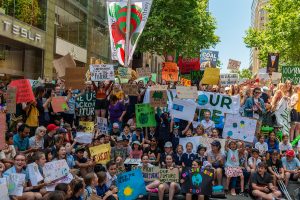
What if you want to tackle something really big, like combating climate change or homelessness? Those might seem like insurmountable tasks, but many teens are tackling those very issues. They know that in order to solve a big problem, you have to know how to break it down into smaller parts. Finding other people to work with you and passion for a whatever you’re doing are resources that really make a difference in this case.
The one thing we can be sure of is that while there are a lot of different types of goals, some of which are absolutely essential to achieve, like being able to take care of yourself and even a family some day, and some of which are just good fun, like going to Tayto Park with some friends this summer, they all have something in common.
If you don’t make a plan to achieve them, they aren’t really goals – they’re just daydreams. A goal might start as a daydream, but in order to make it a reality, you’ve got to go a bit farther.
1.1B | Wordsearch
1.1B | Ripple
1.1B | Reflection 1
1.1B | Reflection 2
1.1B | Reflection 3
Junior Cycle Business Studies Specifications
- Strand one: Personal Finance
- Element: Managing my resources
- 1.1 Review the personal resources available to them to realise their needs and wants and analyse the extent to which realising their needs and wants may impact on individuals and society
- Element: Managing my resources
Curriculum Elements of the 8 Key Skills of the Junior Cycle
- MANAGING MYSELF
- Knowing myself
- Making considered decisions
- Setting and achieving personal goals
- BEING CREATIVE
- Being curious
- Thinking creatively and critically
- MANAGING INFORMATION and THINKING
- Imagining
- Exploring options and alternatives