1.1D
I Can Do What?
Impact: So What?
We’ve talked about setting goals and the tools, or resources, you need to reach those goals, but then what? What happens when you reach (or don’t reach) a goal? The things you do impact not only your life, but the lives of people around you, every day. 
The Collison Brothers started Stripe, their multi-million euro company that helps businesses take online payments, while they were still in college. If you’ve ever bought anything from Amazon, Fender guitars, FitBit, Reddit, or dozens of other businesses, thank the Collisons. It used to be a very difficult process for a business to set up a ‘merchant account’, which enabled them to take payments by credit card in person or, when the internet really got going, online. Once online shopping started to be feasible, the Collisons started a new kind of card processor, opening the door for pretty much anyone with an ID and an idea to start selling their skills, products or services to anyone anywhere in the world. Talk about making an impact – suddenly the world of commerce is open to everyone, and literally anyone with an internet connection can be your customer – not bad for a couple of uni kids!
 Think you’re too young to have an impact? Maybe not – Greta Thunberg takes climate change very seriously, and she isn’t afraid to say so. The Swedish sixteen-year-old drew worldwide attention at the Davos World Economic Forum this year, and is still making waves around the world. Greta started protesting outside the Swedish Parliament every Friday to convince MPs to support and adhere to the Paris Climate Agreement. Her single act of protest drew attention, and now hundreds protest with her every Friday. She was invited to speak at the United Nations, and then took her protest to the World Economic Forum’s most influential meeting of the year at Davos, where leaders in business from all over the world gather to talk about the world and their next steps in it. She gave up her hobbies, misses school once a week, and spends endless hours working to raise awareness for the climate crisis. She told the Davos leaders, “I want you to panic…and act”,” a powerful statement that went viral online almost overnight, and she has inspired tens of thousands of students to take part in the Global Climate Strike and the school walkout Youth Strike 4 Climate. What were her resources? Time, energy, money, creativity, passion and knowledge……that’s a big goal.
Another Irish teen, James Corneille, launched Positivity Packs, described as “a chill-out kit for bad days.”  The kits, which can be ordered for yourself or a friend (and can be sent anonymously), have various cheery items, including fun things like smiley stickers, sweets, custom messages, a suggested happy music playlist, and that happiest of all items – bubble wrap! James says his highest goal is to change the world with positivity. “I’ve made mild success and tons of failures, and I’ve learned a crazy amount from all of them, especially the failures… It all adds up to success in the end!”
Another great example of the impact your goals can have on your community comes via a County Cork student. One of the biggest environmental concerns today isn’t plastics in our oceans; it’s micro plastics in our oceans. Unlike plastic bags, straws, and cups (which obviously are also a huge issue), micro plastics are 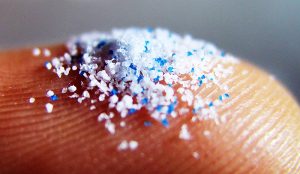 too small to be easily scooped up, but they still damage fish and even coral reefs. Fionn Ferreira, from County Cork, who has been concerned with environmental issues and especially plastic pollution, set out to find a solution. He found that by mixing oil with magnetite powder, he could make a magnet that would attract plastic. If this discovery can be scaled up to global proportions, it could make a tremendous difference to the health of our planet, and Fionn’s decision to use his resources (time, knowledge and probably at least some funds to cover experimental costs), could have an incredible impact on the planet as a whole.
These are all examples of people whose impact on the world has been substantial. But you don’t have to change the whole world to make an impact on it. What about the person who starts a dog walking business? That makes a difference to the people who don’t have time to exercise their pup, but know that he’s still getting the attention and exercise he really needs. It certainly makes a difference to Fido, who is much less likely to destroy the couch from boredom when he gets regular walks. The enterprising dog-walker gains money, business experience, and a healthy lifestyle from all the exercise. 
What about the community of the dog-walking mogul? Does his (or her) business affect the community in any way? Does having a conscientious dog-walker available in the village or neighborhood help keep the sidewalks clear of the remnants of unattended pups? Does the dog-walker spend more money in town because she (or he) has more available?
When you get a job, even a part-time gig, you’re making an impact. Bagging groceries might not feel like it makes a big difference in the world, but the people with that job interact with dozens of other people over the course of a day, and can spread a positive attitude with just a smile. The money you make by doing that could make it possible for you to buy a telescope, study the stars, and discover a new asteroid, which might one day provide the world with new resources, or inspire a new generation of students to study the stars (it might even be named after you, which would be beyond cool!)
 What about the impact you have on your world in ways that have nothing to do with money? When you read your little sister a story before bed, that has a big impact on how she feels about you, as well as on her future school performance.Say you decide to go on an exchange program trip. Besides giving you insight into how people live in another country and a different perspective on how you live, you meet tons of new people, many that you could know for the rest of your life.
Every decision we make has the potential to affect our whole world. It might not feel like much to clean up the rubbish in your neighbourhood, but you don’t have to get all the plastic out of the ocean to make a difference in the world.
1.1D | Wordsearch
1.1D | Ripple
1.1D | Reflection 1
1.1D | Reflection 2
1.1D | Reflection 3
1.1D | Reflection 4
1.1D | Reflection 5
Junior Cycle Business Studies Specifications
- Strand one: Personal Finance
- Element: Managing my resources
- 1.1 Review the personal resources available to them to realise their needs and wants and analyse the extent to which realising their needs and wants may impact on individuals and society
- Element: Managing my resources
Leaving Cert Curriculum Elements & Links to Related Materials
- MANAGING MYSELF
- Knowing myself
- Making considered decisions
- Setting and achieving personal goals
- BEING CREATIVE
- Imagining
- Exploring options and alternatives
- MANAGING INFORMATION & THINKING
- Being curious
- Thinking creatively and critically