BizLife Video | 1.1A I Have What??
Let’s talk about something that everyone has, can be easy to miss, and comes in all shapes, sizes and types. What? R.E.S.O.U.R.C.E.S
A resource is something that you need to make another thing, or to make something else happen. You want to put up a building? You need bricks, mortar, concrete, wood, that sort of stuff.
You want to drive a car? You need petrol, but to get petrol you need drillers, wells, transport from the well, transport to the petrol station .
You want to start your very own restaurant? You need a building, and you need food, drinks, and staff to run the place before your first customer ever walks in the door.
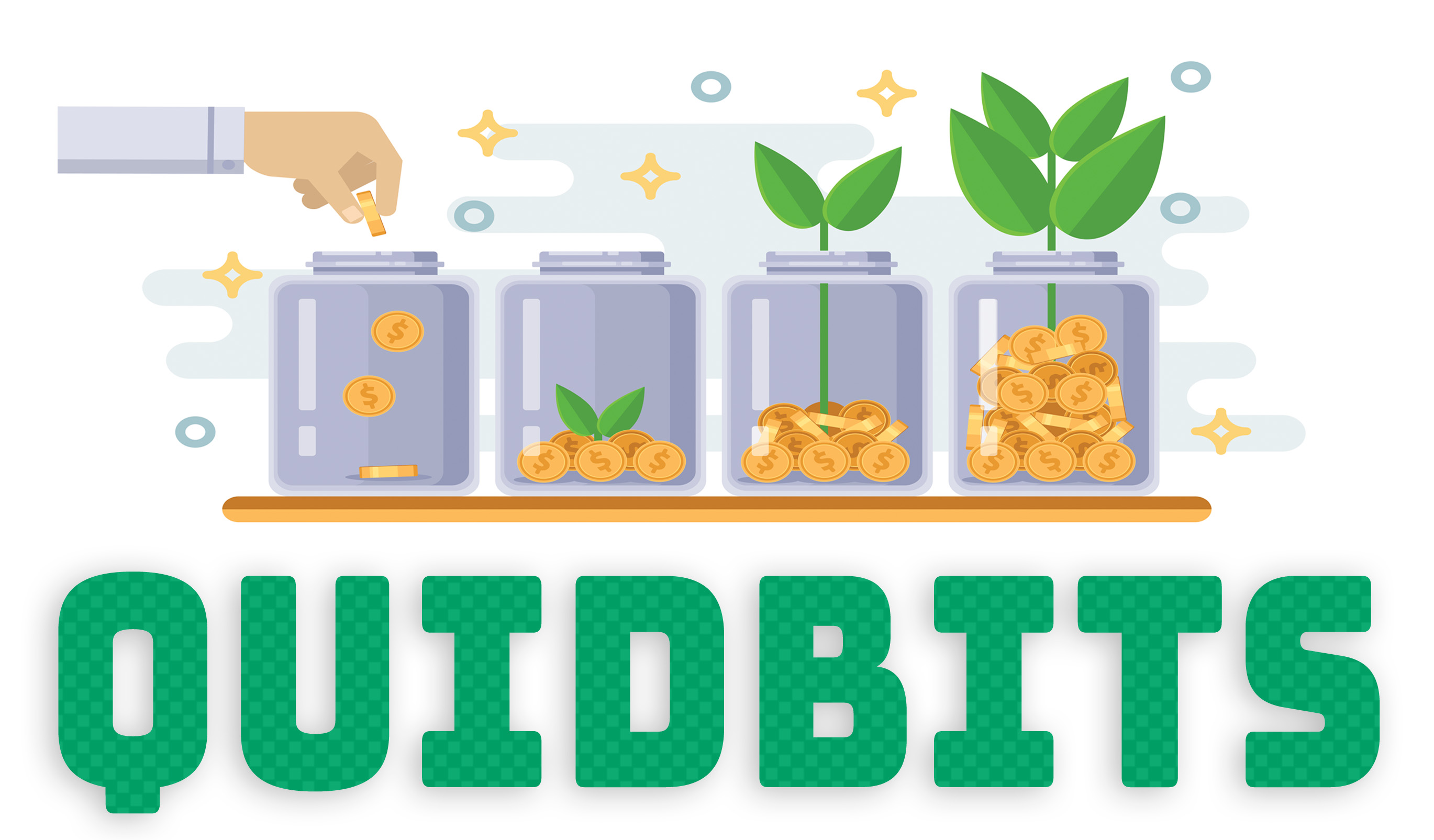
But how do you get hold of these resources? The simplest answer is this: money.
Cash, quid, yoyos, moolah, wedge, wonga, clams, cabbage; whatever you want to call it, it’s usually the first step in procuring other resources. IN FACT, MONEY IS A RESOURCE IN ITSELF.
Sure you can argue this – “but, trees are free! They’re just standing out there in the woods!” Except that’s not true. All trees are owned by someone, whether it’s a person, a company or even a country, so you need to purchase logging rights. Once you’ve paid for the rights to fell those trees, you need to purchase equipment to do it, and to operate that equipment you need to hire highly skilled loggers, then trucks and truck drivers to bring your logs to the building site to start building…wait, no, missed a step or four because the logs need to go to a mill – which costs money – then to the lumber yard – which costs money – and THEN delivered to your site – which costs, you guessed it, more money!
But most likely, as a student, you’re not going to be putting up many buildings or starting restaurants, although you do still need resources to be successful in school. You might need school supplies or lunch or sports equipment, and maybe your parents pay for these things, so, your parents are a resource as well.
Some teens get an allowance for helping out around the house, and some work part time jobs, maybe as a barista or stocking in a shop, babysitting, or any number of other jobs. You might even pick up some cash for your birthday, Christmas, or just a grandad or nanny who’s happy to see you.
Here’s another thing you might not think of as a resource – time.
Time is a tricky resource, because it is finite – there are only so many hours in the day. With money, you can make as much as you like – well, most of us don’t make quite as much as we’d like, but that’s a different story – but there’s no limit to how much money you can actually HAVE. There are, however, only 24 hours in a day, 7 days in a week, and 52 weeks in a year, and because there are only 24 hours in a day, it’s probably the most difficult resource to manage.
Time is money, the old saying goes, and it’s very true. Many people work for an hourly wage – so the more hours you work, the more money you make. But if you’re a student, your primary job is school, so you can only work a few hours a night before you have to study, eat, and eventually, with a little luck, sleep.
But even when you’ve finished school and are able to work full time, you can still only work a limited number of hours in a day before you have to stop and go home, so the amount of money you can make is dictated by the amount of time you can spend at work. Some people have a set salary, so no matter how many hours they work in a day, they still get paid the same.
There’s another old saying, “free time isn’t free”. What that basically means is that the more time you take off to do what you want to do, the fewer resources you have to do it with. Want to take a ski trip to Austria during a weekend that isn’t during a paid holiday? Not only does that cost you money to fly over, rent equipment or bring it on a plane, rent a room, and pay to play on the slopes, that whole time you’re away you’re not making money, so it costs you even more.
And THAT is why money is one of the biggest causes of stress in the world!
So what’s the answer? You can’t change time and you can’t live without money, so the trick is to learn to manage both – something we’ll talk about in greater depth later – but another resource is your attitude.
That may sound strange, but it’s true. Being able to manage your own expectations and situation is key to managing your resources, like working out a budget, figuring out the differences between your wants and needs – I want to take a ski trip, so I need to work “X” number of hours, or, more to the point, I want to take a ski trip, but I NEED to pay the insurance on my car so that I can get to work to pay for a ski trip once I’ve managed all of my other expenses.
So, that probably sounds like procuring and managing resources is overwhelming and a bit depressing and you’ve only a future of trying to plan for ski trips that you can’t go on because your car needs insurance and tax stamps, but that’s not really true.
What’s the best part about developing your attitude as a resource? It’s usually the one thing you have the most control over. Sometimes it seems daunting, but there are ways to enhance your attitude, just like you can improve your other skills.
Studies have determined that things like focusing on positive things, finding (appropriate) humour in negative situations, and associating with other positive people all have an amplifying effect on your own attitude.
Remember, you don’t have to be able to do everything, but being able to analyze and understand your own strengths is a powerful tool, and one of the greatest resources that you already possess.
Junior Cycle Business Studies Specifications
- Strand one: Personal finance
- Element: Managing my resources
- 1.1 Review the personal resources available to them to realise their needs and wants and analyse the extent to which realising their needs and wants may impact on individuals and society
- Element: Managing my resources
Curriculum Elements of the 8 Key Skills of the Junior Cycle
- MANAGING MYSELF
- Knowing myself
- Making considered decisions
- Setting and achieving personal goals
- Being able to reflect on my own learning
- MANAGING INFORMATION & THINKING
- Gathering, recording, organising and evaluating information and data
- Thinking creatively and critically
- Reflecting on and evaluating my learning
- BEING NUMERATE
- Estimating, predicting and calculating
- Developing a positive disposition towards investigating, reasoning and problem-solving
- Seeing patterns, trends and relationships
- BEING CREATIVE
- Imagining
- Exploring options and alternatives
- Implementing ideas and taking action