3.1B
What If the Pond Dries Up?
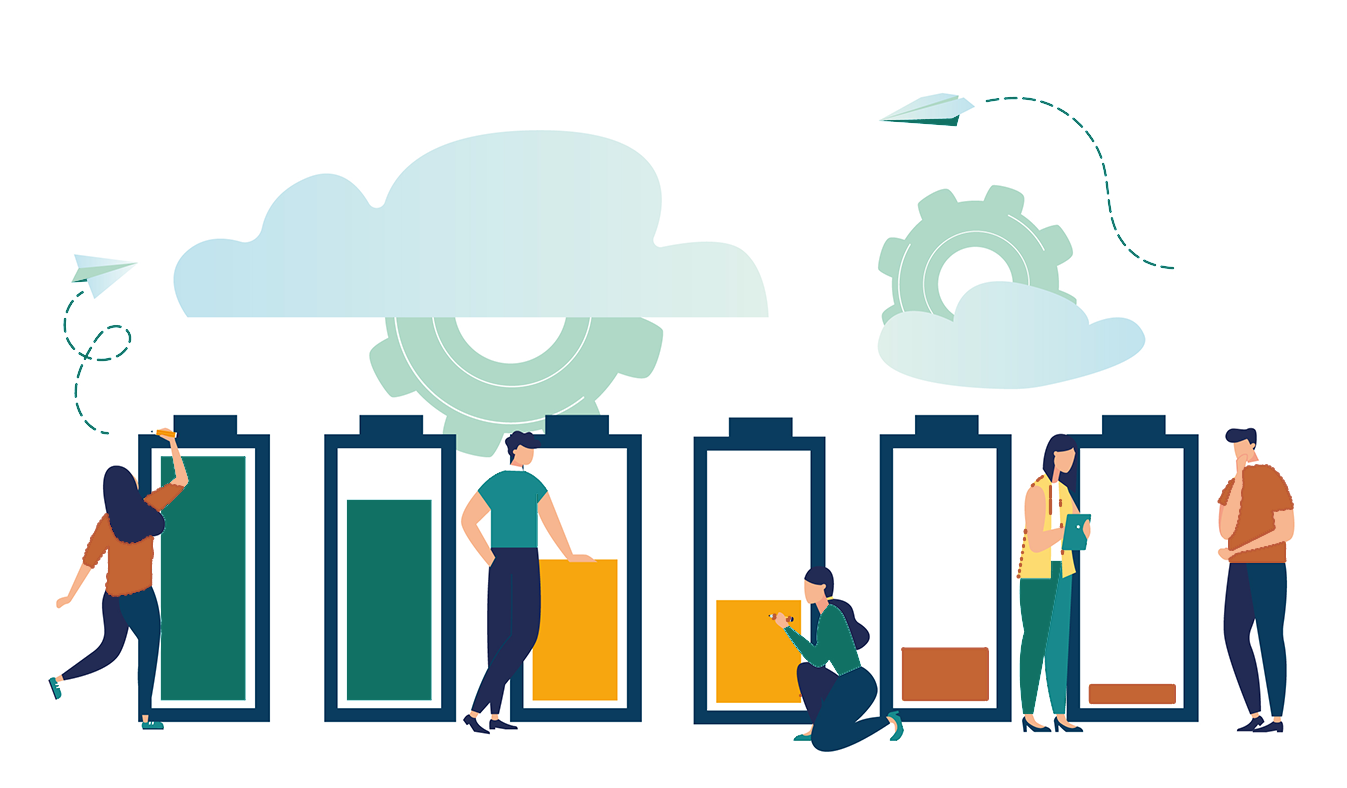
We’ve spent a lot of time talking about your personal resources, goals, and choices, but it’s not just individuals that have those things. Any kind of group also has resources, goals, and choices: a family, a sports club, a town, a nation.
Obviously, the bigger the group, the more resources it has to draw from, but it also has a greater number of potential goals to reach, and that many more choices to make. Sometimes a group will come together to pool its resources to reach a single goal.
If a school science club is working on outdated computers, those students, teachers, and families could get together to raise enough money to get up-to-date equipment. The local community could be involved in reaching that goal as well, and the group could share ideas and work to pull off a fundraising plan.
For example, the science club might decide to host a family fun day. Some parents could help with organizing the activities, which students could run. Some students might ask local merchants for items to use as raffle prizes. A local printer could contribute advertising materials. People realize that this is the kind of investment that pays off for the whole community, so many are willing to help with it.
Of course, it will be easier for the science club to rally support for new computers if the community, the school and the students all have their own needs already met – if there is a lot of unemployment or a bad year for local businesses, it might be more important to those parts of the group to work on meeting their more pressing needs first.
 In fact, what actually triggers the choices we make?
There’s a theory about this. It’s called Maslow’s Hierarchy of Needs. Sounds big and intimidating, right? Really, it’s just a fancy way of saying that until the more basic needs are taken care of, you’re less concerned about the needs that are further up the hierarchy. Maslow’s Hierarchy is a multi level pyramid shape, showing the most essential needs at the bottom, where the largest amount of effort goes. You can see Maslow’s Pyramid on our Interactive Page here.
What’s the most basic need? Certainly, air. If you can’t breathe, you’re not worried about much of anything else. In general, physiological needs, including food and water, are the first level. Once those needs are covered, safety is next. Once you feel secure, you can move on to the higher needs, such as love and friendship, then self-esteem. The top level is called self-actualization. When you make a goal that helps you achieve your greatest potential, you’re working on self-actualization, and your goals in that area can be personal, creative, business or career-focused; pretty much anything that helps you feel fulfilled and at your best.
Beyond the basics, scarcity (the lack or limited amount of certain resources) is the driving force behind many of the choices we make, both personally and as groups or communities. Not enough sleep might make George hit the snooze button on the alarm several times. Not enough time before he has to go to school might make him skip breakfast. Not enough food in the house might make him miss more than that one meal.[5046] right
 When the cost of gas goes up, people are more likely to take public transit. When a severe snowstorm hits, people are more likely to load up on groceries, which can result in shortages on store shelves. When there aren’t enough apartments available in a particular area, rents will rise in response.
If a community has a scarcity of a resource, it has options as well. For example, Ireland had the driest summer in years in 2018. Water restrictions were put in place, and although that couldn’t do anything to make more rain fall, it did help conserve what water was still available. An unforeseen ripple effect from that drought is that previously unknown archaeological sites became visible, including an ancient henge that might be 4,500 years old.
 Some factors are out of our hands – the weather, for example, or being late for a meeting because of bad traffic. However, if we think ahead, we can mitigate some of the impact of those factors, even if we can’t control everything. If a terrible blizzard is predicted, get enough groceries in early, so you don’t get caught by the panicked mob. If you have to be someplace important, give yourself enough time to get there even if traffic is bad.
If there is a scarcity of jobs in your town, you might compensate for that by getting training in a field that you know is growing, or even moving to a location that has greater employment options. Some people are worried that automation is going to lead to fewer jobs; it’s more likely that automation will lead to fewer unskilled jobs, but that trained technical jobs will increase.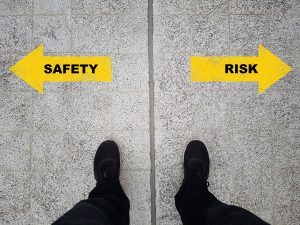
It seems obvious that a scarcity of economic resources would typically cause us to make more prudent, or safer choices, leading us to be more prepared for the possible consequences of further shortages, but are there ever times when a riskier choice might be a better one? What happens if your personal choices are at cross-purposes with choices that support the group around you, like your town or sports team?
In the end, we choose between safety or risk, individual or community needs, greater good or …. Our own personal wants……make the tough choices or let them happen by default, they affect us all.
3.1B | Wordsearch
3.1B | Ripple
3.1B | Reflection 1
3.1B | Reflection 2
3.1B | Reflection 3
Junior Cycle Business Studies Specifications
- Strand one: Our Economy
- Element: Managing My Resoures
- 3.1 Explain how scarcity of economic resources results in individuals having to make choices; predict possible consequences of these choices
- Element: Managing My Resoures
Curriculum Elements of the 8 Key Skills of the Junior Cycle
- MANAGING MYSELF
- Knowing myself
- Making considered decisions
- BEING CREATIVE
- Imagining
- Exploring options and alternatives
- MANAGING INFORMATION & THINKING
- Being curious
- Thinking creatively and critically