1.1A
I Have What?
Personal Resources
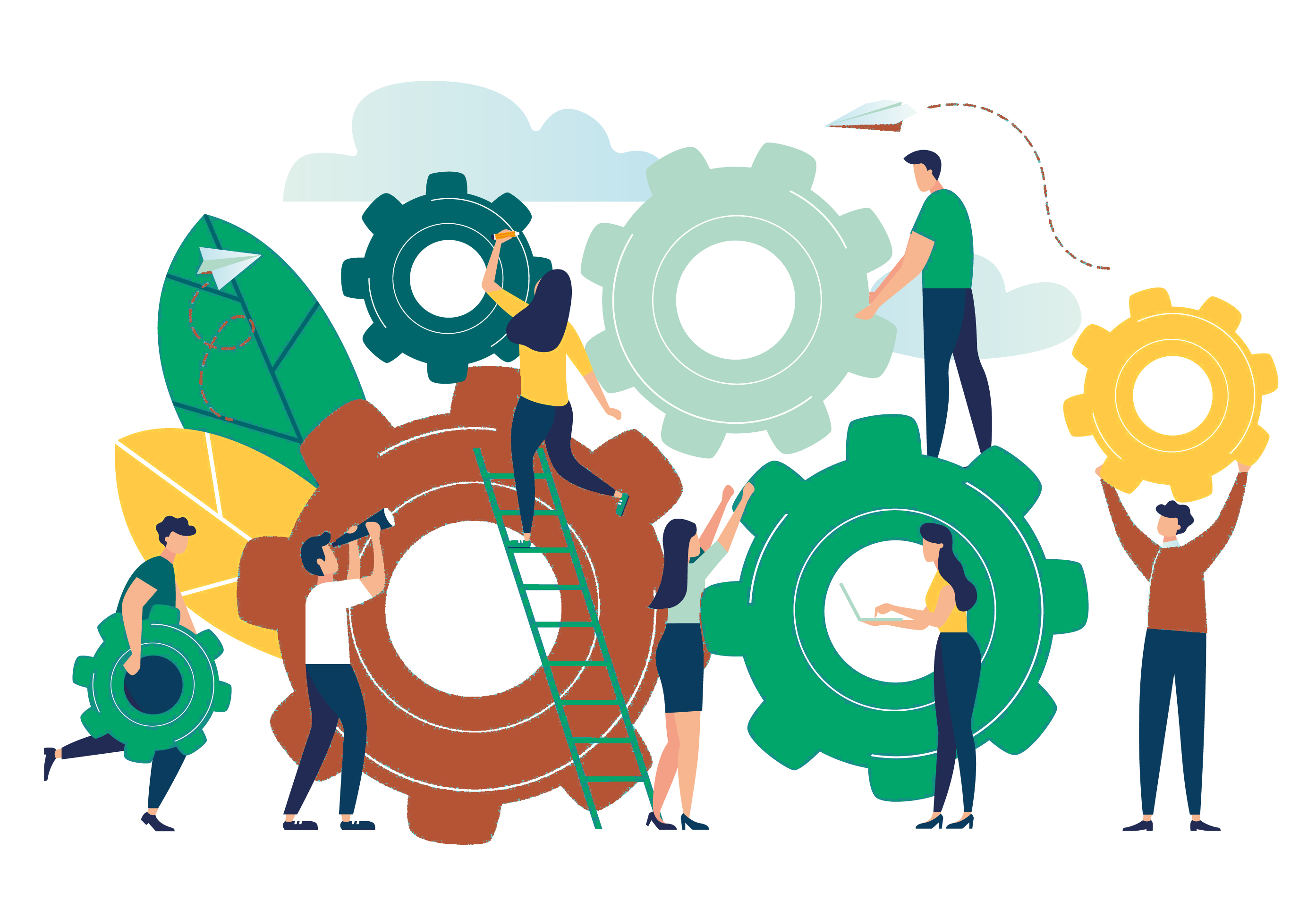
When people talk about resources, they are usually referring to things like money or machines or buildings. But that’s a really limiting way to think about an idea that is an integral part of your daily life.
In order to accomplish anything, you need resources to make it happen. To do the simplest thing – breathing – you need oxygen and a set of lungs that work properly.
 To swim the English Channel, you need to be a skillful swimmer. Strength, determination, and a bathing suit wouldn’t hurt, either. To become a doctor, you need a specialized education, and then, if you have to fix a broken arm, you need more specialized training. If you break your OWN arm, you need a GP (your general physician) who then will refer you to a doctor who specializes in bones (an osteopathic surgeon). In each case, your resources define your ability to meet your goal.
Resources are anything you have that you can use to get something done. Let’s identify some different types of resources, and think about some of the ways we can use them.
First off, one of the most obvious: money. Cash. Quid. Yoyos. Moolah. Wedge. Wonga. Whatever you call it, money is a resource we all need, although it’s certainly not the only thing that we can exchange for goods or services. In fact, it isn’t even the first! Just where does this particular resource come from?
If you’re an adult, chances are good you get money as a result of working at a job. In the last few years, the most common jobs in Ireland have been sales and retail assistants, cashiers and checkout operators. Farming is the next most common occupation.
But since you’re reading this, you’re probably a student, and more than likely don’t have a full-time job, but even students need cash sometimes, right? Aside from the money you get from your parents for your lunches or school supplies, do you have other ways to make a little money for when you need some?
Some teens get an allowance, while others work part time jobs as a barista or at the local grocery store. Babysitting is another option, and tutoring can be a great option for students who are particularly good at almost any subject. And there’s always the old standby: a piggy bank with a few bucks in it from last year’s birthday card.
Another really important resource that a lot of people don’t consider is time. Time might be even more valuable than money. Think about it; if you run out of money, you can make more. Time, though cosmically infinite, is finite when it comes to how you use it. We all have the same  number of hours in the day, although we don’t all have the same demands on that time.
Deciding where to spend the resource of time affects your life in all sorts of ways. How much time you spend studying, sleeping, hanging out with friends, working, cleaning up your room – all of these affect your life, and no two people will spend the same amount of time on them. Even you as an individual will change your habits and spend more or less time on sleep or study or exercise or hanging out, depending on what’s going on in your life at any given moment.
One of the most common laments you’ll often hear from adults around you is that these first two resources, time and money, rarely go hand in hand. Many people believe that if you have a lot of time on your hands, chances are you don’t have a lot of money. And if you’re busy working, you may have some money to spend, but not enough time to enjoy it – yikes! As in so many things, finding a balance that works for you is really important as you finish your studies and get into the workforce.
So getting back to your personal resources, what’s something you’re good at? You might not classify being able to play the clarinet or speak German or take apart a car engine as a resource, but these are all valuable in the right situation. If you have a particular skill and someone needs it, that’s a resource you can use.
Skills are resources that often need to be developed and improved to increase their value. If you want to be a web designer, you need to keep up with software developments. To be a professional rugby player, you need to practice those footwork drills. Want your band to hit the top of the charts, or at least get frequent gigs? Without rehearsals, it won’t happen. The better you become at anything, the more valuable a resource it can be for you, and the more you can do with it. Whether it’s tutoring, gigging or building an app, you can use each to realize goals as diverse as saving for some big purchase to finding more harmony in your life – it just depends on what you’re looking for.
The last type of resource is probably the most frequently overlooked, but it’s also the most diverse, the most powerful, and the most valuable. Attitude is a resource that everyone has but many people don’t appreciate. It’s easy to take ‘attitude’ for granted because it’s hard to pin down and quantify. But without a positive, enthusiastic attitude, without drive and determination, most of the other resources are not going to get you as far down the path to your goals.
 OK, ok…..you may be rolling your eyes right about now, but think about it. Who contributes more to a project, the people who are passionate about it, or the ones who are only there because they have to be? Most of the greatest new inventions, products and ideas have come from people, even kids, who have been willing to learn a lot about a particular field or subject, then think about that thing in new, creative ways, and encourage others to do the same.
What’s the coolest part about developing your attitude as a resource? It’s the one thing you usually have the most control over. Sometimes it seems daunting, but there are ways to enhance your attitude, just like you can improve your other skills. Studies have determined that things like focusing on positive things, finding (appropriate) humour in negative situations, and associating with other positive people all have an amplifying effect on your own attitude.
Now it’s time to analyse your own personal resources. Remember, you don’t have to be able to do everything – understanding your own strengths is a powerful tool.
1.1A | Wordsearch
1.1A | Ripple
1.1A | Reflection 1
1.1A | Reflection 2
1.1A | Reflection 3
1.1A | Reflection 4
Junior Cycle Business Studies Specifications
- Strand one: Personal Finance
- Element: Managing my resources
- 1.1 Review the personal resources available to them to realise their needs and wants and analyse the extent to which realising their needs and wants may impact on individuals and society
- Element: Managing my resources
Curriculum Elements of the 8 Key Skills of the Junior Cycle
- MANAGING MYSELF
- Knowing myself
- Making considered decisions
- Setting and achieving personal goals
- MANAGING INFORMATION & THINKING
- Gathering, recording, organising and evaluating information and data
- Thinking creatively and critically
- Reflecting on and evaluating my learning
- Using digital technology to access, manage and share content
- BEING NUMERATE
- Estimating, predicting and calculating
- Developing a positive disposition towards investigating, reasoning and problem-solving
- Seeing patterns, trends and relationships
- BEING CREATIVE
- Imagining
- Exploring options and alternatives
- Implementing ideas and taking action
- Learning creatively
- Stimulating creativity using digital technology